
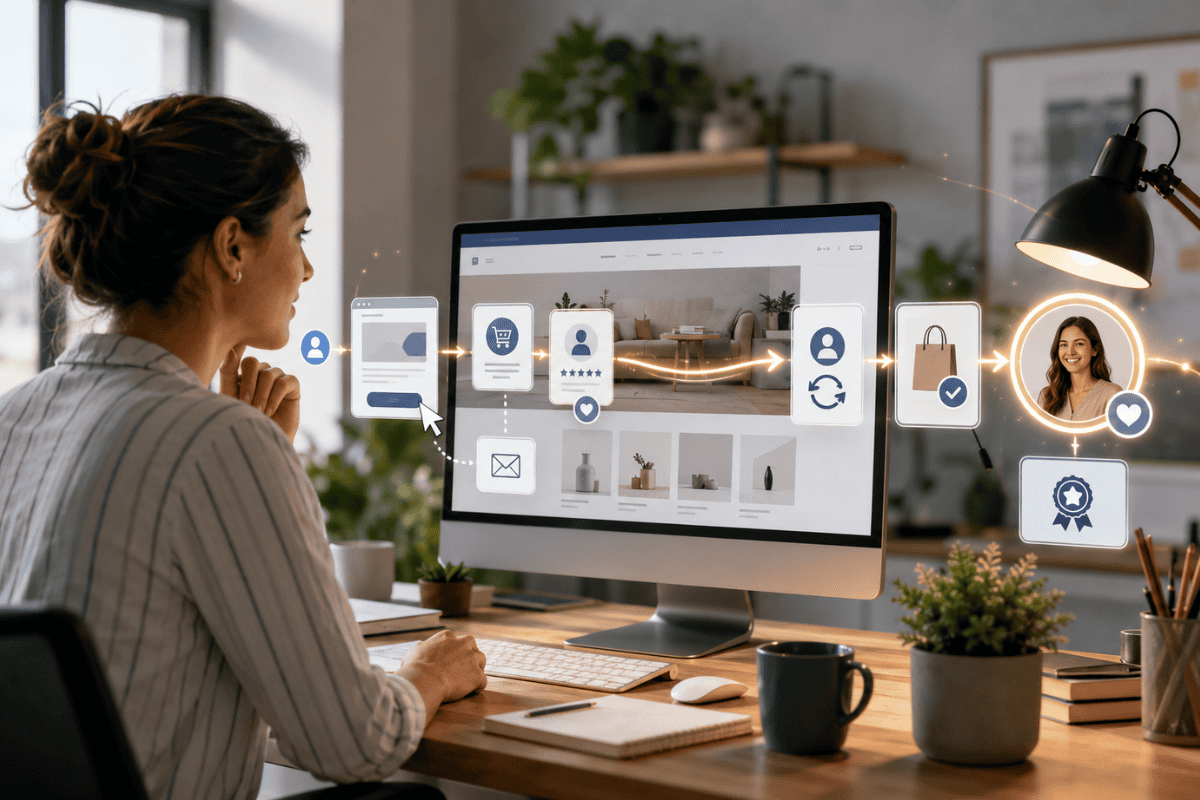
Getting traffic to your website is only the beginning. The real growth happens when you turn visitors into customers, then continue nurturing those customers into loyal, long-term buyers. For small businesses, ecommerce brands, and local service providers, this requires more than a good-looking homepage or a single call to action. It takes a complete customer journey built around trust, clarity, user experience, and consistent follow-up.
Most website visitors will not make a purchase on their first visit. They may compare options, read reviews, check your credibility, or leave and return later. That does not mean the visit was wasted. With the right strategy, your website, email marketing, retargeting, social proof, and customer experience can work together to guide visitors from curiosity to confidence, and from first-time interest to repeat business.
Key Takeaways
- First-time visitors rarely convert immediately: Most people need time to compare options, build trust, and understand whether your product or service is the right fit.
- Trust drives conversion: Testimonials, reviews, case studies, secure checkout experiences, clear contact information, and strong social proof help visitors feel more confident taking action.
- User experience matters: Confusing navigation, slow pages, weak mobile design, and unclear calls to action can drive visitors away before they become paying customers.
- Follow-up is essential: Email marketing, retargeting, abandoned cart email sequences, and lead nurturing help convert visitors who are not ready to buy on the first visit.
- Retention creates long-term growth: Turning visitors into customers is valuable, but turning those customers into loyal customers through consistent communication and value is what builds repeat revenue.
Why Most Website Visitors Do Not Convert on the First Visit
Most website visitors do not convert on the first visit because they are still deciding whether they trust your business, understand your offer, and feel ready to take action. A new visitor may be comparing competitors, checking pricing, reading testimonials, or simply learning what solution they need. That means your website has to support the full customer journey, not just ask for the sale immediately.
For many small businesses, the mistake is assuming traffic equals buyer intent. Some visitors are close to making a purchase, but others are early in the research stage. If your landing page, homepage, or product or service page does not answer their questions quickly, they may leave before becoming a lead.
To turn visitors into customers, your site must reduce uncertainty. Clear messaging, easy navigation, strong social proof, fast loading, mobile optimization, and helpful content all make visitors feel more confident. When people understand what you offer, why it matters, and what to do next, they are more likely to convert.
The goal is not only to convert website visitors instantly. It is to create a system that captures interest, nurtures leads, and brings potential customers back when they are ready.
How to Build Trust and Credibility Immediately
Trust begins before a visitor reads every word on your website. Design quality, page speed, clear messaging, professional visuals, and visible contact details all shape the first impression. If your site feels outdated, confusing, or incomplete, visitors may question whether your business is reliable enough to contact or buy from.
To build trust and credibility quickly, make the value of your product or service obvious above the fold. Explain who you help, what problem you solve, and why someone should choose you. Avoid vague claims and focus on specific benefits that match customer pain points. A visitor should not have to search your homepage to understand what you do.
Trust also comes from transparency. Show real business information, easy ways to contact you, clear pricing guidance when appropriate, service details, privacy reassurance, and secure checkout signals for ecommerce. Add testimonials, customer reviews, and recognizable trust markers near important calls to action.
The easier it is for visitors to verify your credibility, the more likely they are to move forward. When your website feels clear, helpful, and legitimate from the first click, you remove hesitation and create a stronger path from visitor to customer.
Use Social Proof to Help Visitors Feel Confident
Social proof helps convert visitors because it shows that other people have already trusted your business and had a positive experience. A first-time visitor may not fully believe your claims yet, but a strong testimonial, review, case study, or customer story can reduce doubt and make your business feel safer to choose.
Place social proof where decisions happen. Add review snippets near your homepage call to action, testimonials on service pages, product reviews near ecommerce checkout areas, and case studies for higher-value offers. This gives visitors reassurance at the exact moment they may be deciding whether to contact you, make a purchase, or keep comparing options.
The most effective testimonials are specific. Instead of generic praise, use quotes that mention a real pain point, the experience of working with your business, and the outcome the customer received. For local service providers, reviews that mention responsiveness, professionalism, and results can build trust quickly.
Social proof also supports customer retention because it reinforces confidence after the first interaction. When visitors see that others became loyal customers, they are more likely to imagine doing the same. The goal is simple: make new visitors feel they are not taking a risk alone.
Improve User Experience So Visitors Do Not Leave
User experience can determine whether website visitors stay long enough to convert into customers. Even if your offer is strong, poor navigation, slow pages, broken links, cluttered layouts, or confusing forms can drive visitors away before they understand your value. A visitor who feels frustrated is unlikely to become a lead, make a purchase, or return later.
Start by making your website easy to navigate. Menus should be simple, service pages should be easy to find, and every major page should guide visitors toward the next logical step. If someone lands on your homepage, they should quickly know where to learn more, view products and services, read testimonials, or contact your business.
Mobile optimization is also critical. Many potential customers will visit from a phone, especially when searching for a local service provider or ecommerce product. If buttons are too small, checkout is difficult, or content is hard to read, your conversion rate will suffer.
A better user experience reduces friction. Clear layouts, fast loading, helpful content, live chat options, and simple forms make it easy for visitors to take action. When your site feels effortless, more visitors become paying customers.
Optimize Your Homepage and Landing Pages for Conversions
Your homepage and landing pages should do more than introduce your business. They should guide visitors toward a clear decision. When someone arrives from SEO, paid ads, social media, or email marketing, the page must quickly explain what you offer, why it matters, and what action they should take next.
To convert website visitors into customers, structure each page around one primary goal. A homepage may guide visitors to explore your products and services, while a landing page may focus on booking a consultation, claiming a special offer, or completing checkout. Too many competing messages can confuse visitors and lower your conversion rate.
Strong conversion optimization starts with clarity. Use a benefit-driven headline, concise supporting copy, visible testimonials, simple navigation, and a clear call to action. For ecommerce, reduce checkout friction with transparent pricing, free shipping details when available, secure payment signals, and easy return information.
Each page should also answer common objections. If visitors wonder about cost, timing, results, or trust, address those concerns before they leave. A focused, easy-to-navigate page helps guide visitors from interest to action.
Create Strong CTAs That Encourage Visitors to Take Action
A call to action tells visitors what to do next. Without a clear CTA, even interested website visitors may hesitate, browse aimlessly, or leave without becoming a lead. Strong CTAs help turn visitors into customers by removing uncertainty and making the next step feel simple, valuable, and low-risk.
The best CTAs are specific. Instead of using generic buttons like “Submit” or “Learn More” everywhere, match the CTA to the visitor’s intent. A first-time visitor may respond better to “Book a Strategy Call,” “Get a Free Quote,” or “See How It Works.” An ecommerce visitor may need “Add to Cart,” “Claim Your Discount Code,” or “Complete Checkout.”
CTA placement matters too. Add calls to action near your hero section, after key benefits, beside testimonials, at the end of service descriptions, and anywhere visitors may be ready to move forward. Make buttons visible, easy to tap on mobile, and consistent across the page.
To improve conversion optimization, test different CTA wording, colors, and offers. A strong CTA does not pressure visitors. It guides them. When the next step is clear and compelling, more potential customers are likely to convert.
Use Email Marketing to Nurture Leads After the First Visit
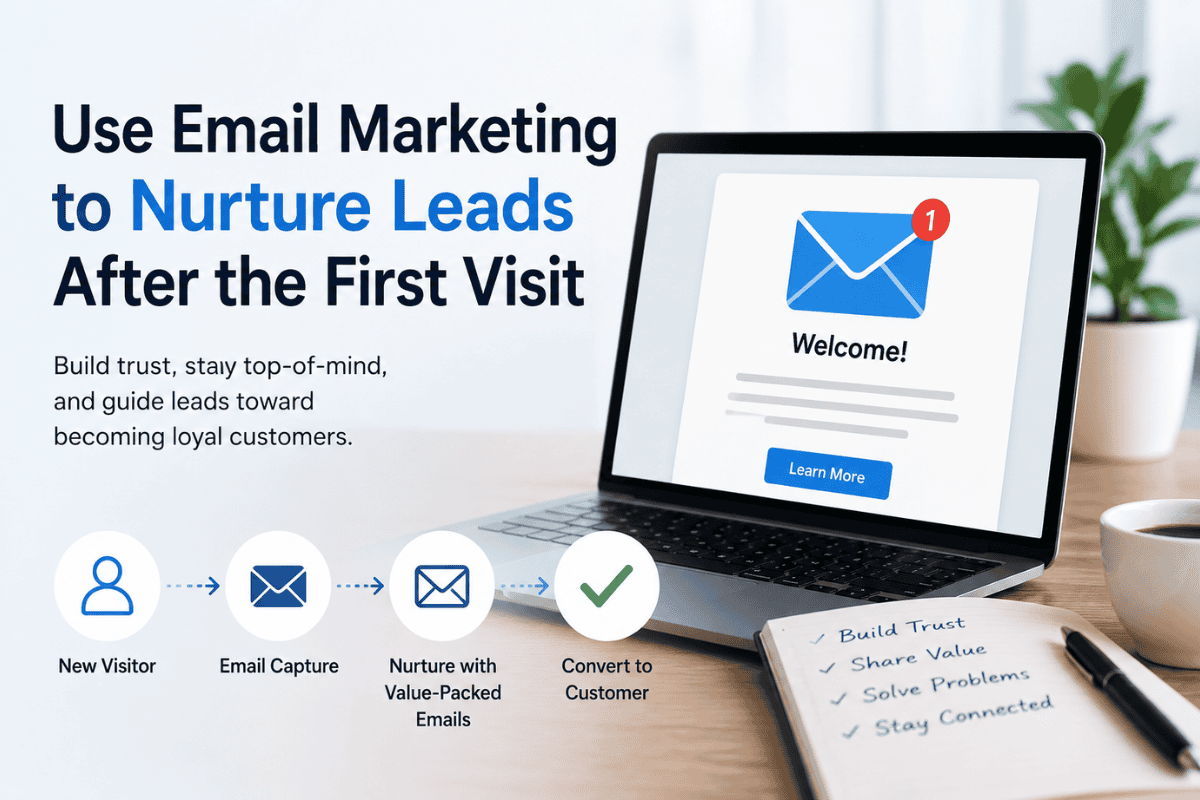
Email marketing is one of the most effective ways to turn visitors into customers after they leave your website. Many first-time visitors are interested but not ready to buy. If you do not capture their email, that potential customer may disappear. With the right lead nurturing system, you can continue the conversation and guide them back when they are ready.
Start by offering a reason to subscribe. This could be a helpful guide, checklist, discount code, special offer, consultation invitation, or product recommendation. The goal is to exchange value for permission to follow up. Once visitors join your email list, send messages that educate, build trust, and address common pain points.
A strong email marketing sequence should not only promote. It should help. Welcome emails can introduce your brand, educational emails can showcase your product or service, and follow-up emails can answer objections. For ecommerce businesses, product reminders and abandoned cart email sequences can recover missed revenue.
Email keeps your business visible beyond the first click. When your messages are relevant, timely, and useful, you can nurture visitors into paying customers and eventually loyal customers.
Bring Visitors Back With Retargeting Campaigns
Retargeting helps convert visitors who showed interest but left before taking action. These campaigns display ads to people who previously visited your website, viewed a product, explored a service page, or started checkout without completing a purchase. Instead of losing that traffic, retargeting gives your business another chance to re-engage potential customers.
This is especially useful because first-time visitors often need multiple touchpoints before they trust a brand. A visitor may leave to compare pricing, read reviews, talk with a partner, or wait until the timing is better. Retargeting keeps your product or service visible during that decision period.
Effective retargeting should feel helpful, not repetitive. Segment your audience based on behavior. Someone who visited a landing page may need an educational message, while someone who abandoned checkout may respond to free shipping, a discount code, or a limited-time special offer. Service businesses can retarget visitors with testimonials, case studies, or consultation reminders.
Retargeting works best when paired with strong website conversion strategy, email marketing, and clear CTAs. When visitors return, your site should be ready to answer objections, build trust, and guide them toward becoming paying customers.
Recover Lost Sales With Abandoned Cart Emails and Follow-Ups
Abandoned cart emails help ecommerce businesses recover sales from visitors who were close to buying but left before checkout was complete. These visitors already showed high intent. They viewed a product, added it to the cart, and moved toward making a purchase. A thoughtful follow-up can bring them back before they forget, get distracted, or choose a competitor.
The best abandoned cart email does more than say, “You left something behind.” It reminds the customer of the product, removes friction, and gives them a reason to finish. Include product details, clear checkout links, customer reviews, return information, free shipping details when available, or a discount code if it fits your margin.
Timing matters. Send the first reminder soon after abandonment, then follow up with a second message that answers common objections. A final email can create a sense of urgency with a limited-time offer or reminder that inventory may change.
Service businesses can use the same idea with quote requests, unfinished forms, or consultation pages. If someone starts but does not complete the process, a helpful email follow-up can nurture the lead and encourage them to take action.
Improve Customer Experience With Live Chat and Fast Support
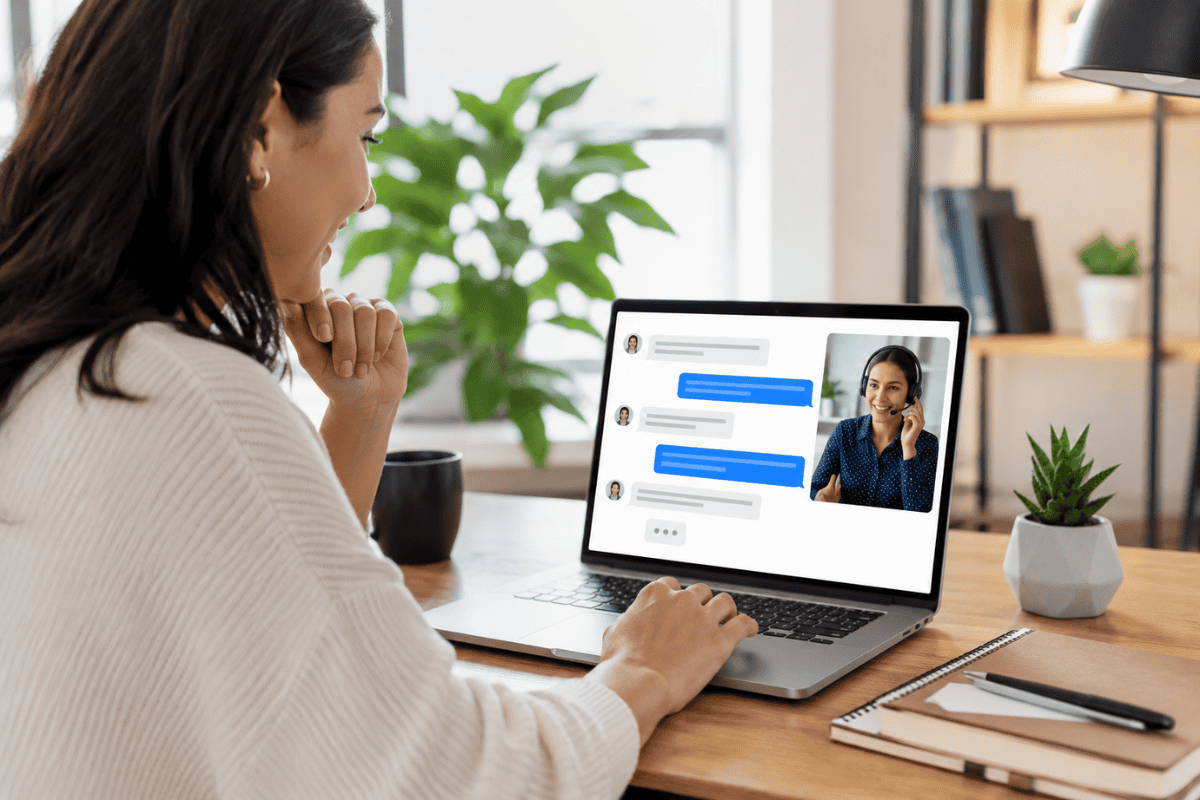
Live chat can improve customer experience by giving visitors quick answers when they are close to taking action. A potential customer may be interested, but one unanswered question about pricing, availability, shipping, services, or next steps can stop the conversion. Fast support reduces hesitation before it turns into abandonment.
For small businesses, live chat does not have to mean being online every minute. A simple chat tool, contact prompt, or automated response can guide visitors to the right information. The key is making help easy to find. If visitors feel stuck, they should not have to search through multiple pages to get support.
Live chat also reveals common pain points. If several visitors ask the same questions, use that insight to improve your homepage, landing page, FAQ, checkout flow, or service descriptions. Better content can reduce repeated questions and help more visitors convert without direct support.
Fast, helpful communication builds trust. When visitors feel heard and supported, they are more likely to become paying customers. Over time, responsive service also supports customer retention because people remember businesses that make the buying experience easier.
Use Special Offers, Discount Codes, and Urgency Strategically
Special offers can help convert more visitors when they are used with intention. A discount code, free shipping offer, limited-time bonus, or consultation incentive can give hesitant visitors a reason to act now instead of leaving and forgetting your business. The goal is not to train customers to wait for discounts. The goal is to reduce friction at the right moment.
Urgency works best when it is honest and specific. If an offer ends soon, say when. If availability is limited, explain why. False urgency can damage trust and make visitors feel pressured. Real urgency, paired with clear value, can encourage visitors to take action without feeling manipulated.
Match the offer to the customer journey. New visitors may respond to a first-time buyer discount, while returning visitors may need a reminder of the benefits. Ecommerce brands can test cart-based offers, and service providers can use strategy calls, limited appointment slots, or bundled packages.
Used well, special offers support conversion optimization. They give potential customers an extra reason to move forward while your trust signals, testimonials, user experience, and follow-up systems do the deeper work of creating long-term customer relationships.
Measure and Optimize With Google Analytics and Microsoft Clarity
To turn visitors into customers consistently, you need to understand what people actually do on your website. Tools like Google Analytics and Microsoft Clarity help reveal where visitors come from, which pages they view, where they drop off, and what may be preventing them from converting.
Google Analytics can show traffic sources, conversion events, customer journey patterns, and pages that drive leads or sales. This helps you see whether SEO, email, paid ads, social media, or retargeting campaigns are bringing the most valuable visitors. Instead of guessing, you can make decisions based on real behavior.
Google Analytics can help you understand where visitors come from, which pages they view, and which actions lead to conversions.
Microsoft Clarity adds another layer by showing heatmaps and session recordings. These insights can reveal whether visitors ignore key CTAs, struggle with navigation, abandon checkout, or get stuck on mobile layouts. Small changes, such as moving a button, simplifying a form, or rewriting a landing page headline, can improve conversion rate.
Microsoft Clarity adds visual behavior insights through heatmaps and session recordings, making it easier to spot friction points in the customer journey.
Optimization is ongoing. Review your data regularly, test improvements, and focus on removing friction. The businesses that convert more website visitors are the ones that keep learning from their audience and improving the experience over time.
Turn First-Time Buyers Into Long-Term Customers
Turning visitors into customers is important, but turning first-time buyers into long-term customers is where sustainable growth happens. A customer who buys once has already crossed the trust barrier. Your next job is to reinforce their decision, deliver a strong experience, and keep the relationship active after the sale.
Start with the post-purchase experience. Send a confirmation email, explain what happens next, and make support easy to access. For ecommerce, include shipping updates, product care tips, reorder reminders, and related recommendations. For service businesses, follow up after the project or appointment to ask about their experience and offer the next helpful step.
Customer retention also depends on consistent communication. Email marketing can share useful tips, exclusive offers, loyalty rewards, seasonal reminders, or educational content that keeps your brand valuable. The goal is not to email constantly. The goal is to remain helpful and relevant.
Long-term customers are created through trust, value, and follow-through. When people feel supported after the first purchase, they are more likely to return, refer others, and become loyal customers who strengthen your business over time.
For ecommerce businesses, Shopify’s customer retention resources reinforce why repeat customers are so valuable for long-term growth. Shopify’s customer retention guide
Build a Complete Customer Journey From First Click to Repeat Purchase
A strong customer journey connects every interaction a visitor has with your business. From the first click on a search result, ad, email, or social post, each step should help the visitor understand your value, trust your brand, and know what to do next. Without that structure, even strong traffic can turn into missed opportunities.
Start by mapping the journey in stages. At the awareness stage, visitors need helpful content that explains their problem. During consideration, they need testimonials, comparisons, service details, product information, and answers to common pain points. At the decision stage, they need clear CTAs, simple checkout, fast support, and confidence-building proof.
After the first purchase or inquiry, the journey should continue. Follow-up emails, customer education, review requests, personalized recommendations, and retention campaigns can turn website visitors into loyal customers. This is where many businesses lose momentum by stopping communication too soon.
The most effective strategy does not treat conversion as one event. It treats it as a relationship. When every touchpoint is designed to guide visitors, reduce friction, and deliver value, your business can convert visitors into customers and keep them coming back.
Work With Innovative Flare to Convert More Website Visitors
If your website is attracting visitors but failing to turn them into customers, the problem may not be your traffic. The issue may be trust, messaging, user experience, follow-up, or a disconnected customer journey. More traffic will not fix a website that does not guide visitors toward action.
Innovative Flare helps small businesses build smarter digital strategies that connect visibility with conversion. That can include clearer website messaging, better landing page structure, stronger CTAs, improved lead nurturing, email marketing, retargeting, and customer retention systems. The goal is not just to drive traffic. It is to convert more website visitors into paying customers and long-term relationships.
Your website should make it easy for visitors to understand your value, trust your business, and take the next step. When your marketing channels work together, every visitor has a better chance of becoming a lead, customer, and repeat buyer.
If your website is attracting visitors but failing to turn them into customers, let’s build a strategy that improves trust, increases conversions, and turns first-time visitors into long-term customers. Book your strategy call today.
FAQ
How do you turn visitors into customers?
You turn visitors into customers by creating a clear, trustworthy, and easy buying journey. Your website should explain your value quickly, answer common questions, show testimonials, reduce friction, and guide visitors toward one clear next step. Email marketing, retargeting, and follow-up campaigns help nurture people who are not ready to buy on the first visit.
Why are website visitors not converting?
Website visitors may not convert because they do not trust the business yet, cannot find the information they need, experience poor navigation, or feel unsure about the offer. Slow pages, weak CTAs, confusing checkout flows, missing social proof, and unclear messaging can all lower conversion rate and drive visitors away.
What is the best way to convert website visitors into paying customers?
The best way is to combine strong website conversion strategy with ongoing lead nurturing. Start with clear landing pages, visible proof, simple forms, fast support, and persuasive CTAs. Then use email marketing and retargeting to bring visitors back with helpful content, special offers, abandoned cart reminders, or consultation prompts.
How does email marketing help convert visitors?
Email marketing helps by continuing the relationship after someone leaves your website. A visitor may not be ready to make a purchase immediately, but a welcome sequence, educational emails, product recommendations, and follow-up offers can build trust over time. This makes email one of the most useful tools for lead nurturing and customer retention.
Does retargeting really work for small businesses?
Retargeting can work well for small businesses because it focuses on people who already showed interest. Instead of advertising only to cold audiences, you can reconnect with visitors who viewed a product, read a service page, or started checkout. The best results come from matching the message to the visitor’s behavior.
How can social proof improve conversions?
Social proof improves conversions by reducing uncertainty. Reviews, testimonials, case studies, ratings, and customer stories help visitors feel that others have already trusted your business successfully. Placing social proof near CTAs, checkout pages, and service details can help potential customers feel more confident taking action.
What tools help improve website conversion?
Tools like Google Analytics and Microsoft Clarity can help you understand visitor behavior. Google Analytics shows traffic sources, conversion paths, and performance trends. Microsoft Clarity can reveal heatmaps and session recordings, showing where visitors click, scroll, hesitate, or leave. These insights help you optimize pages based on real user behavior.
How do you turn first-time customers into loyal customers?
You turn first-time customers into loyal customers by delivering a strong post-purchase experience. Send helpful follow-ups, provide clear support, ask for feedback, share useful resources, and continue offering value through email and personalized recommendations. Long-term loyalty grows when customers feel supported after the first sale.