

Email Marketing Isn’t Dead: Here’s Why It Still Works
Email marketing isn’t dead. In fact, it remains one of the most reliable, profitable, and controllable digital marketing channels available to small businesses today.
While social media platforms rise and fall, algorithms shift, and advertising costs continue to increase, email quietly continues to deliver consistent results. For small business owners and local service providers, this is not just important, it is critical.
The truth is simple. Email marketing isn’t failing. Poor strategy is.
Businesses that understand how to use email effectively are generating leads, nurturing relationships, and driving predictable revenue every single day. Those that ignore it are leaving money on the table.
In this guide, you will learn exactly why email marketing still works, how it outperforms other channels, and how to turn it into a reliable growth engine for your business.
Is Email Marketing Still Worth It for Small Businesses?
Quick Answer: Yes. Email marketing is still one of the most effective ways to generate leads, nurture prospects, and drive consistent revenue because you own your audience and control the communication.
For small businesses, this matters more than ever. You are not competing with massive marketing budgets. You are competing for attention. And attention is becoming harder and more expensive to capture.
Email gives you a direct line to your audience without relying on third-party platforms. When someone joins your email list, they are giving you permission to communicate with them. That permission is powerful.
- Email marketing remains one of the highest ROI marketing channels
- You fully own your email list
- You control when and how your message is delivered
- You can nurture leads over time instead of relying on one-time interactions
Unlike other marketing channels, email allows you to build long-term relationships that turn into repeat business and referrals.
Why Email Marketing Isn’t Dead, It’s Dominating
The idea that email marketing is outdated comes from a misunderstanding of how modern marketing works. Visibility does not equal effectiveness.
Social media feels active. It feels fast. It feels like where attention lives. But attention alone does not drive revenue. Conversion does.
Email marketing dominates because it is built for conversion.
Owned vs Rented Audiences
This is the most important concept in modern marketing. When you build an audience on social media, you do not own it. The platform does. Your reach depends on algorithms, policies, and pay-to-play systems.
With email, your list is yours. No algorithm can limit your reach. No platform can suddenly reduce your visibility.
This makes email one of the most stable and predictable marketing channels available.
Control Creates Consistency
Consistency is what drives business growth. When you can consistently reach your audience, you can consistently generate leads and sales.
Email allows you to:
- Send messages when you choose
- Segment your audience based on behavior
- Personalize communication at scale
- Build long-term relationships
This level of control is unmatched by any other marketing channel.
The Real Reason Email Still Works in 2026
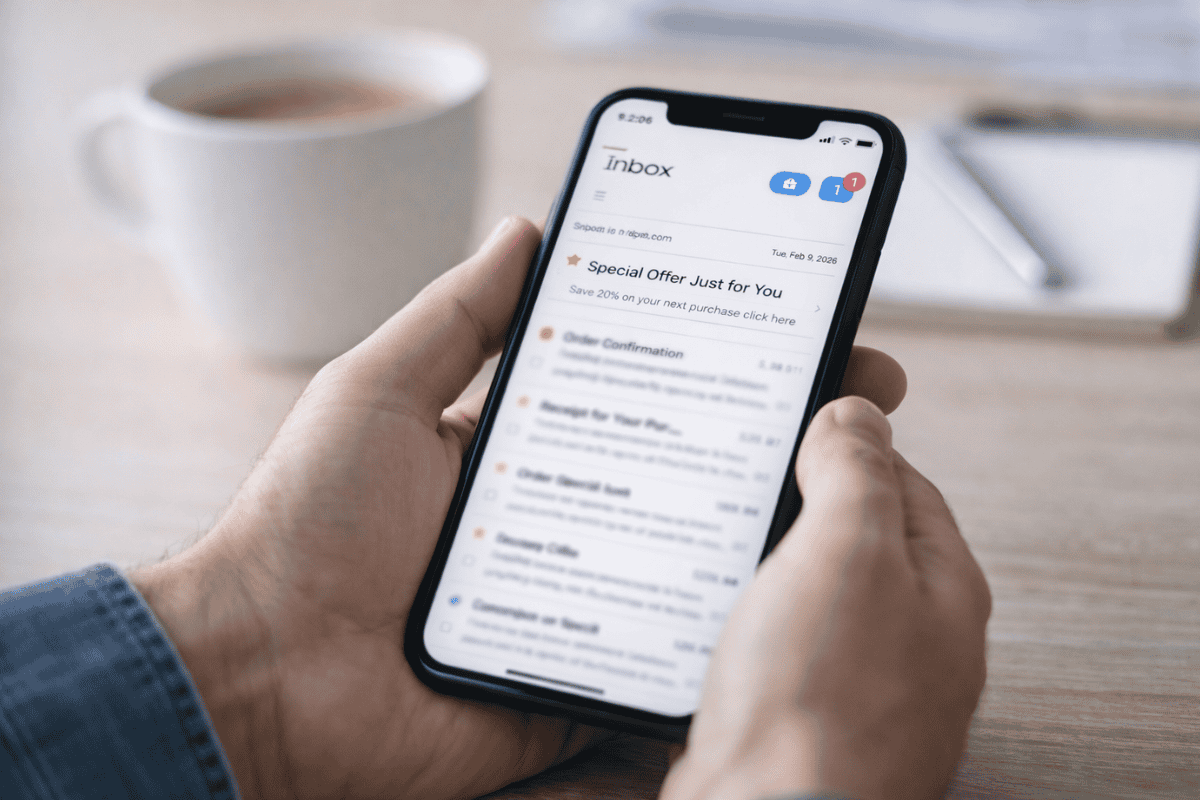
Email works because people still use it every day. Not casually, but intentionally.
Unlike social media, where users scroll passively, email is action-driven. People check their inbox to respond, confirm, purchase, and make decisions.
Email Is a Daily Habit
Most users check their email multiple times per day, especially on mobile devices. It is part of their routine.
- Checking receipts and confirmations
- Responding to important messages
- Reviewing offers and updates
- Making purchase decisions
This creates a high-intent environment where your message is more likely to be seen and acted on.
Permission-Based Marketing
Email is not interruption marketing. It is permission-based. When someone subscribes, they are choosing to hear from you.
This changes everything.
Your audience is warmer. More engaged. More likely to convert.
That is why email consistently outperforms channels that rely on cold exposure.
Email Marketing vs Social Media and Paid Ads
To understand why email marketing still works, you need to compare it directly with other popular channels.
Key Differences That Impact Results
- Audience Ownership: Email is owned. Social media and ads are rented.
- Reach: Email delivers directly to inboxes. Social reach is limited by algorithms.
- Cost: Email has low ongoing costs. Paid ads require continuous spend.
- Conversion: Email consistently delivers higher conversion rates.
Social media is excellent for awareness. Paid ads are powerful for traffic. But email is where conversions happen.
The Smart Strategy
The most effective businesses do not choose one channel. They combine them.
- Use social media to attract attention
- Use ads to accelerate traffic
- Use email to convert and retain
Email becomes the core of your marketing funnel, turning attention into revenue.
The ROI of Email Marketing for Small Businesses
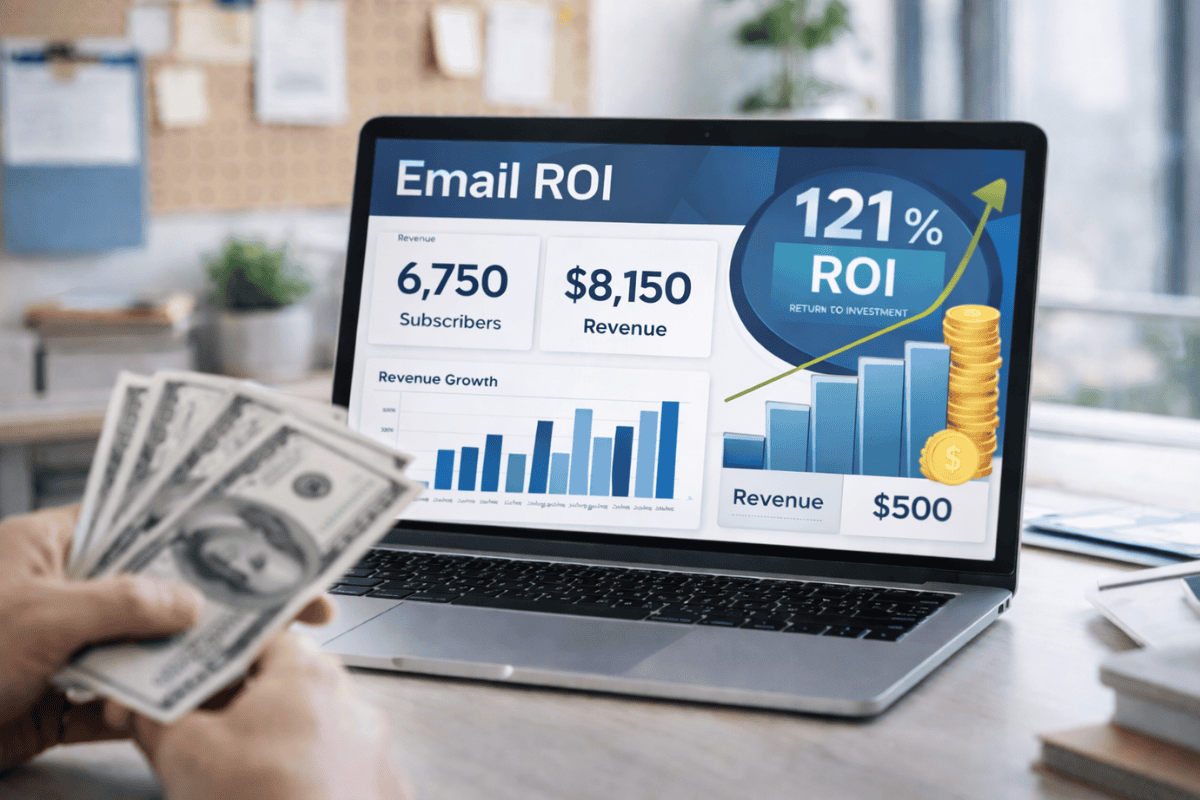
Email marketing consistently delivers one of the highest returns on investment in digital marketing.
For small businesses, this is a major advantage. You do not need massive budgets to see results.
Why Email ROI Is So High
- Low cost per campaign
- High engagement from opted-in users
- Automation reduces manual effort
- Long-term value from each subscriber
Once your list is built, your cost to reach your audience is minimal compared to paid channels.
Compounding Value Over Time
Email marketing is not a one-time tactic. It is a long-term asset.
Every new subscriber increases your future revenue potential. Every campaign builds on previous interactions.
This compounding effect is what makes email one of the most powerful growth tools available.
What Modern Email Marketing Actually Looks Like
Email marketing today is not about sending generic messages to your entire list. That approach is outdated and ineffective.
Modern email marketing is built on personalization, automation, and data. It is a system designed to deliver the right message to the right person at the right time.
From Email Blasts to Targeted Campaigns
Instead of sending the same message to everyone, successful businesses segment their audience based on behavior and intent.
- New subscribers receive welcome sequences
- Leads receive educational content
- Customers receive offers and follow-ups
- Inactive users receive re-engagement campaigns
This level of targeting increases engagement, improves conversions, and creates a better experience for your audience.
Automation Creates Scale
Email automation allows you to build systems that run in the background while your business grows.
- Welcome email sequences
- Lead nurturing campaigns
- Abandoned cart reminders
- Post-purchase follow-ups
With the right setup, your email marketing works for you 24/7 without constant manual effort.
Platforms That Power Modern Email
Tools like Mailchimp and Klaviyo make it easy to implement advanced strategies without needing a large team.
These platforms provide:
- Segmentation and personalization tools
- Automation workflows
- Performance tracking and analytics
- Scalable campaign management
This means small businesses can compete with larger brands by using smarter systems instead of bigger budgets.
Core Components of a High-Converting Email Marketing Strategy
Effective email marketing is not random. It is built on a structured system designed to turn subscribers into customers.
The 5 Pillars of Email Marketing Success
- Email list building: Consistently grow a qualified audience
- Segmentation: Group subscribers based on behavior and intent
- Content strategy: Deliver valuable and relevant messages
- Automation: Scale communication without increasing workload
- Analytics: Measure and improve performance over time
When these elements work together, email becomes a predictable revenue system instead of a guessing game.
Metrics That Actually Matter
Many businesses focus on vanity metrics. Real growth comes from understanding performance that impacts revenue.
- Open rate: Measures subject line effectiveness
- Click-through rate: Indicates engagement
- Conversion rate: Tracks actual results
- Revenue per subscriber: The most important metric
By focusing on these metrics, you can continuously improve your email campaigns and increase ROI.
Email List Building: Your Most Valuable Business Asset
Your email list is not just a collection of contacts. It is a long-term business asset that generates revenue over time.
Unlike followers on social media, your email subscribers are not controlled by a platform. You own that relationship.
Why Email Lists Outperform Other Channels
- You control communication
- No reliance on algorithms
- Higher engagement and trust
- Long-term value from each subscriber
This is why email lists consistently outperform other marketing channels when it comes to conversions.
How to Build a High-Quality Email List
Growing your list is not about quantity. It is about attracting the right people.
- Create valuable lead magnets such as guides or checklists
- Use website forms and landing pages
- Offer incentives like discounts or exclusive content
- Promote your email list through social media
A smaller, engaged list will always outperform a large, unqualified one.
Lead Nurturing: Turning Subscribers Into Customers
Email marketing is one of the most effective tools for lead nurturing because it allows you to build relationships over time.
Instead of relying on a single interaction, email creates ongoing communication that guides prospects toward a decision.
Email as a Sales Funnel
Email fits naturally into every stage of the marketing funnel.
- Awareness through educational content
- Consideration through value-driven messaging
- Decision through targeted offers
- Retention through follow-up and engagement
This structured approach increases the likelihood of conversion.
Types of High-Converting Email Campaigns
- Welcome emails that introduce your brand
- Drip campaigns that educate and build trust
- Promotional emails that drive action
- Post-purchase emails that increase retention
When done correctly, email transforms cold leads into loyal customers.
Common Email Marketing Mistakes That Kill Results
Email marketing does not fail because the channel is ineffective. It fails because of poor execution.
Top Mistakes to Avoid
- No segmentation, sending the same message to everyone
- Weak subject lines that reduce open rates
- Inconsistent sending frequency
- Ignoring mobile optimization
- No clear call to action
These issues can significantly reduce performance, even if your strategy is otherwise strong.
How to Fix Them
- Segment your audience based on behavior
- Test and improve subject lines
- Maintain a consistent sending schedule
- Optimize emails for mobile devices
- Ensure every email has a clear goal
Small improvements in these areas can lead to major increases in engagement and conversions.
The Future of Email Marketing, Why It’s Not Going Anywhere
Email marketing continues to evolve, but its core advantage remains the same. It is a direct, owned communication channel that gives businesses control, stability, and long-term value.
Privacy Changes Are Strengthening Email
Updates like Apple’s Mail Privacy Protection have changed how marketers track open rates, but they have not reduced the effectiveness of email.
Instead, they are shifting the focus toward more meaningful metrics and better strategies.
- Less reliance on open rates
- Greater focus on clicks and conversions
- Increased emphasis on content quality
This is a positive shift for businesses that prioritize real results over vanity metrics.
The Rise of First-Party Data
As third-party cookies decline, businesses are relying more on data they own. Email plays a central role in this transition.
- Direct insights into customer behavior
- Better personalization opportunities
- More stable long-term marketing strategy
Email gives you a direct connection to your audience without relying on external platforms.
AI and Advanced Email Marketing
Artificial intelligence is making email marketing more powerful and efficient.
- Predictive personalization
- Smart send-time optimization
- Automated content suggestions
- Advanced segmentation
These tools allow small businesses to deliver highly relevant messages at scale without increasing workload.
Why Email Is the Most Reliable Marketing Channel You Own
If there is one key takeaway, it is this. Email is the only marketing channel you fully control.
Social media platforms can change algorithms overnight. Paid advertising costs can increase without warning. Entire platforms can decline or disappear.
Your email list does not.
This makes email one of the most reliable and predictable ways to grow your business.
- No algorithm limitations
- No pay-to-reach model
- Direct access to your audience
- Long-term asset that increases in value
For small businesses, this level of control is not just helpful. It is essential.
Email provides stability in a constantly changing digital landscape.
Turn Your Email List Into a Predictable Revenue Engine
If your email marketing is not generating leads or sales, the problem is not the channel. It is the strategy behind it.
Most small businesses are sitting on untapped revenue because their email system is either underutilized or incorrectly set up.
At Innovative Flare, we help businesses turn email into a consistent growth engine.
- Build high-converting email marketing systems
- Set up automation and sales funnels
- Create campaigns that drive real results
- Optimize performance using data
This is not about sending more emails. It is about sending the right emails with a clear strategy behind them.
Book a no-pressure strategy call to uncover missed opportunities and build a system that drives consistent leads and revenue.
Email Marketing Isn’t Dead FAQs
Is email marketing still effective in 2026?
Yes, email marketing remains one of the most effective digital marketing channels. It provides direct communication, high engagement, and strong ROI when executed correctly.
What is a good email open rate?
Open rates typically range from 20 percent to 40 percent depending on the industry. However, marketers now focus more on click-through and conversion rates due to privacy changes.
How often should I send email campaigns?
Most small businesses benefit from sending one to two emails per week. The key is consistency and delivering value rather than frequency alone.
Is email marketing better than social media?
Email marketing is better for conversions and customer retention, while social media is better for brand awareness and discovery. Both should be used together.
What are the best email marketing platforms?
Popular platforms include Mailchimp and Klaviyo, which offer automation, segmentation, and analytics tools for businesses of all sizes.
How do I build an email list?
You can build your list by offering lead magnets, using website forms, creating landing pages, and providing incentives like discounts or exclusive content.
Why are my email campaigns not performing?
Common reasons include poor targeting, weak subject lines, lack of personalization, and unclear calls to action.
What is email segmentation?
Email segmentation is the process of dividing your audience into groups based on behavior, interests, or demographics to send more relevant messages.
Can small businesses succeed with email marketing?
Yes, email marketing is especially effective for small businesses because it is cost-efficient, scalable, and capable of driving consistent results.